Seismic Resilience
Building Earthquake‑Resilient and Sustainable Futures

Earthquakes remain one of the most destructive natural hazards, particularly in seismically active and developing regions where vulnerable building stock, rapid urbanization, and limited recovery capacity amplify disaster impacts.
Within the framework of Resilient and Sustainable Future through Climate and Seismic Resilience, this dedicated page highlights the central role of seismic resilience in achieving safe, sustainable, and livable communities.
Why Seismic Resilience Matters
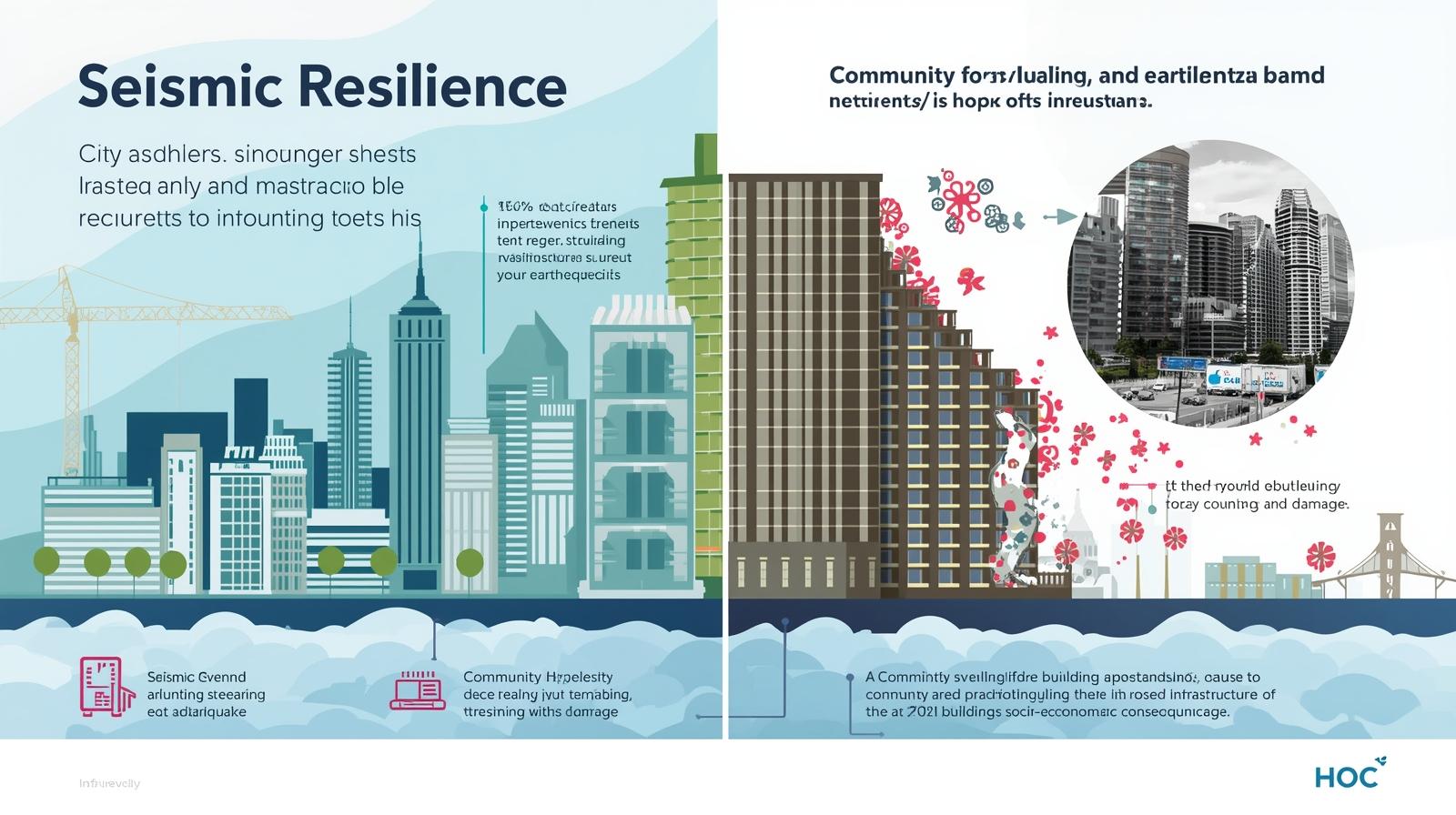
Seismic resilience goes beyond life‑safety design. It focuses on the ability of buildings, infrastructure, and communities to withstand earthquakes, limit damage, maintain functionality, and recover rapidly.
Key motivations include: - High seismic hazard in Iran, the Middle East, and many D‑8 countries - Large inventory of aging and non‑engineered buildings - Critical facilities (hospitals, schools, lifelines) at risk of functional loss - Severe socio‑economic consequences of post‑earthquake downtime - Increasing likelihood of cascading disasters (earthquake followed by flood, fire, or infrastructure failure)
Seismic Resilience in the Context of Sustainability
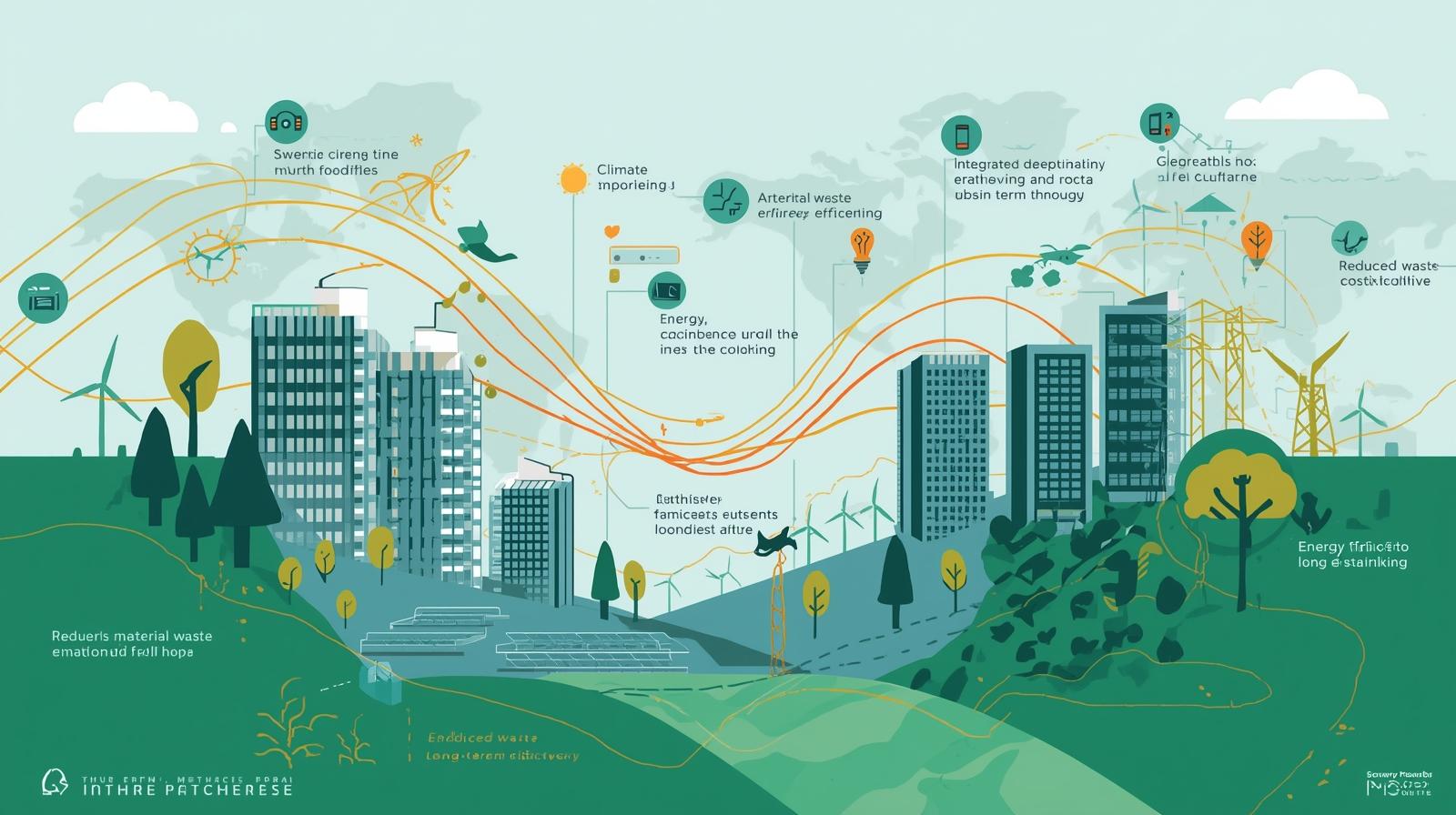
Seismic resilience is an essential pillar of sustainable development: - Safe buildings are a prerequisite for sustainable cities - Post‑earthquake reconstruction has significant environmental and carbon costs - Resilient design reduces material waste, embodied carbon, and economic losses - Integrating seismic and climate resilience leads to long‑term, cost‑effective solutions This Summit promotes an integrated resilience approach, linking earthquake engineering with climate adaptation, energy efficiency, and urban sustainability.
Core Seismic Themes of the Summit
- • Seismic hazard characterization and site effects
- • Vulnerability and risk assessment of buildings and infrastructure
Performance‑Based and Resilience‑Based Design
- • Beyond code compliance: functionality and recovery
- • Damage control and repairability concepts
- • Resilience metrics and decision‑making frameworks
Seismic Assessment and Retrofitting
- • Evaluation of existing reinforced concrete and steel structures
- • Retrofitting strategies for deficient and non‑ductile buildings
- • Affordable and scalable solutions for developing regions
Critical Infrastructure and Lifelines
- • Hospitals, schools, bridges, and transportation networks
- • Seismic performance of utilities and lifeline systems
- • Maintaining post‑earthquake operability
Post‑Earthquake Recovery and Reconstruction
- • Rapid damage assessment and functionality evaluation
- • Recovery planning and resilience‑oriented reconstruction
- • Lessons learned from recent regional and global earthquakes
Seismic Resilience in the Winter School
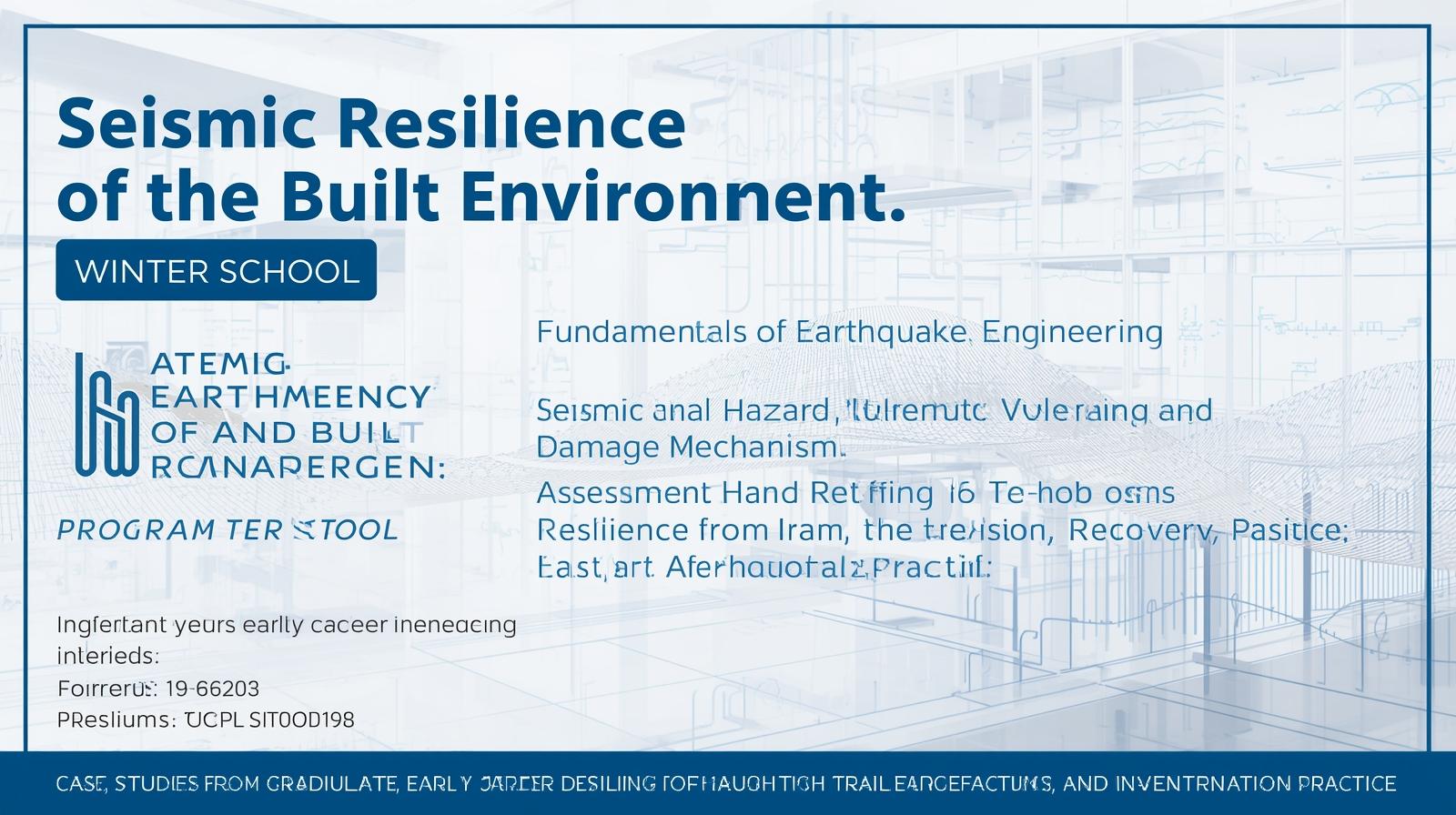
A dedicated Certificate Program on Seismic Resilience of the Built Environment is offered as part of the Winter School.
The program covers: - Fundamentals of earthquake engineering - Seismic hazard, vulnerability, and damage mechanisms - Assessment and retrofitting of existing buildings - Resilience‑based design and recovery planning - Case studies from Iran, the Middle East, and international practice
This program is designed for graduate students, early‑career researchers, and practicing engineers.
Target Participants
- • Structural and Earthquake Engineers
- • Academics and Researchers in Seismic and Disaster Engineering
- • PhD and Graduate Students
- • Urban and Infrastructure Planners
- • Disaster Risk Reduction Professionals
- • Policymakers and Institutional Stakeholders
Global Alignment and Impact
 - UN Sustainable Development Go.jpg)
The seismic resilience activities of the Summit align with: - Sendai Framework for Disaster Risk Reduction (2015–2030) - UN Sustainable Development Goals, particularly SDG 9 and SDG 11 - International best practices in resilience‑based seismic design
By strengthening seismic resilience, the Summit contributes to safer cities, reduced disaster losses, and sustainable development pathways in earthquake‑prone regions.
Join the Seismic Resilience Track
Participants are invited to: - Contribute lectures and technical sessions - Lead workshops and training modules - Share research findings and practical experiences - Engage in interdisciplinary dialogue on earthquake and climate resilience
Together, we aim to advance seismic resilience as a cornerstone of a sustainable and resilient future.